Blog
Insights on observability, monitoring, and engineering best practices from the Coroot team.
Putting Amazon ECS on the map
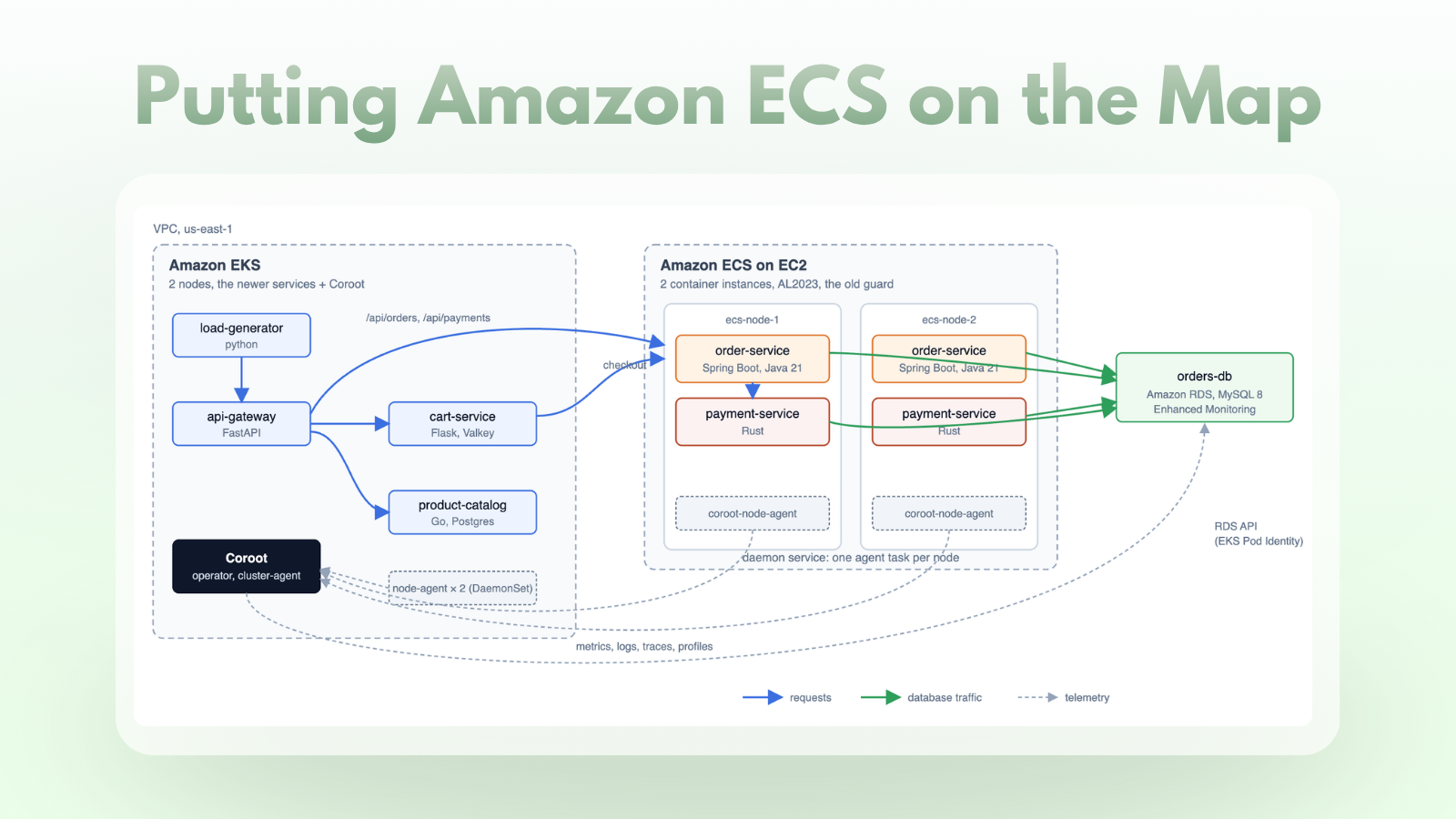
Plenty of teams ran Amazon ECS long before Kubernetes, and the Java services that live there aren't going anywhere. Here's what it took to get them on the same service map as EKS and RDS: one privileged agent per EC2 node, three Docker labels, a metadata endpoint, and a pause container we had to learn to ignore. Plus why none of this works on Fargate.
 Nikolay Sivko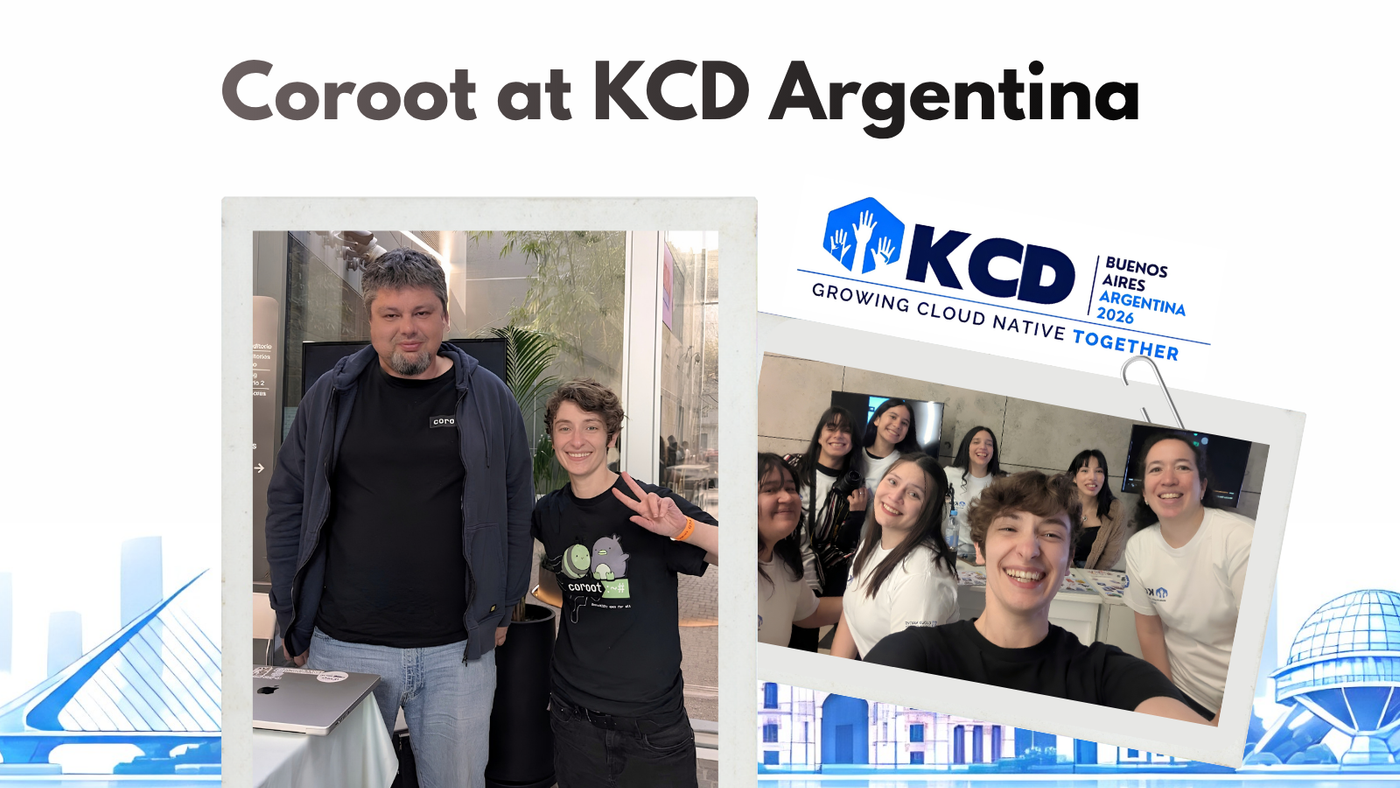
Coroot at KCD Argentina
Coroot recaps KCD Argentina in Buenos Aires, with survey results from 50 attendees on their observability tools, biggest pain points, and time spent on setup and root cause analysis.
 Alexander Lamberton
Coroot at Nerdearla & Percona University
Coroot recaps two stops in South America this September: Percona University in Montevideo and Nerdearla in Buenos Aires, with Raspberry Pi demos, robots, bowling, and catching up with the community.
Alexander Lamberton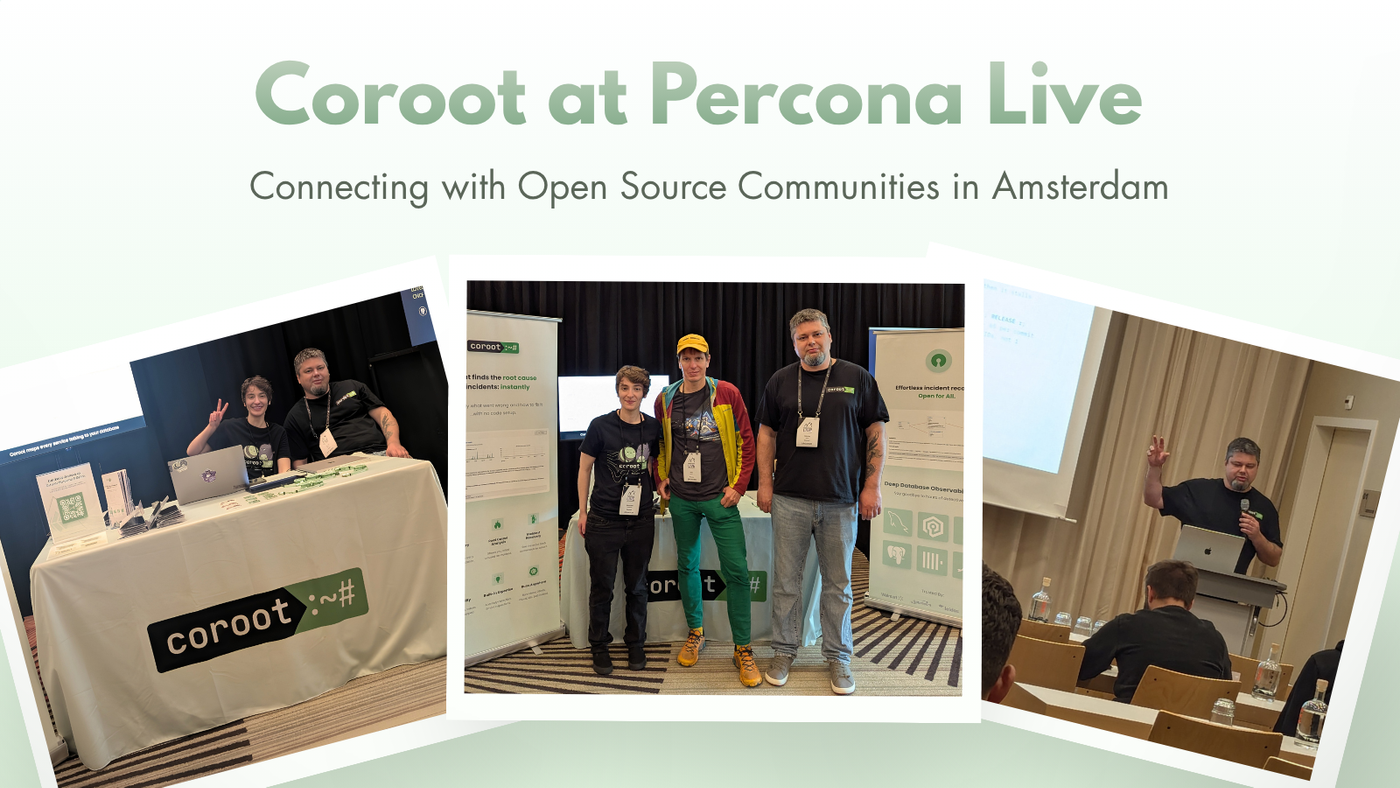
Percona Live 2026: Connecting With Open Source Communities in Amsterdam
Coroot's recap of Percona Live 2026 in Amsterdam: the new Coroot Percona Edition partnership announcement, conference talks, and highlights from the show floor.
Alexander Lamberton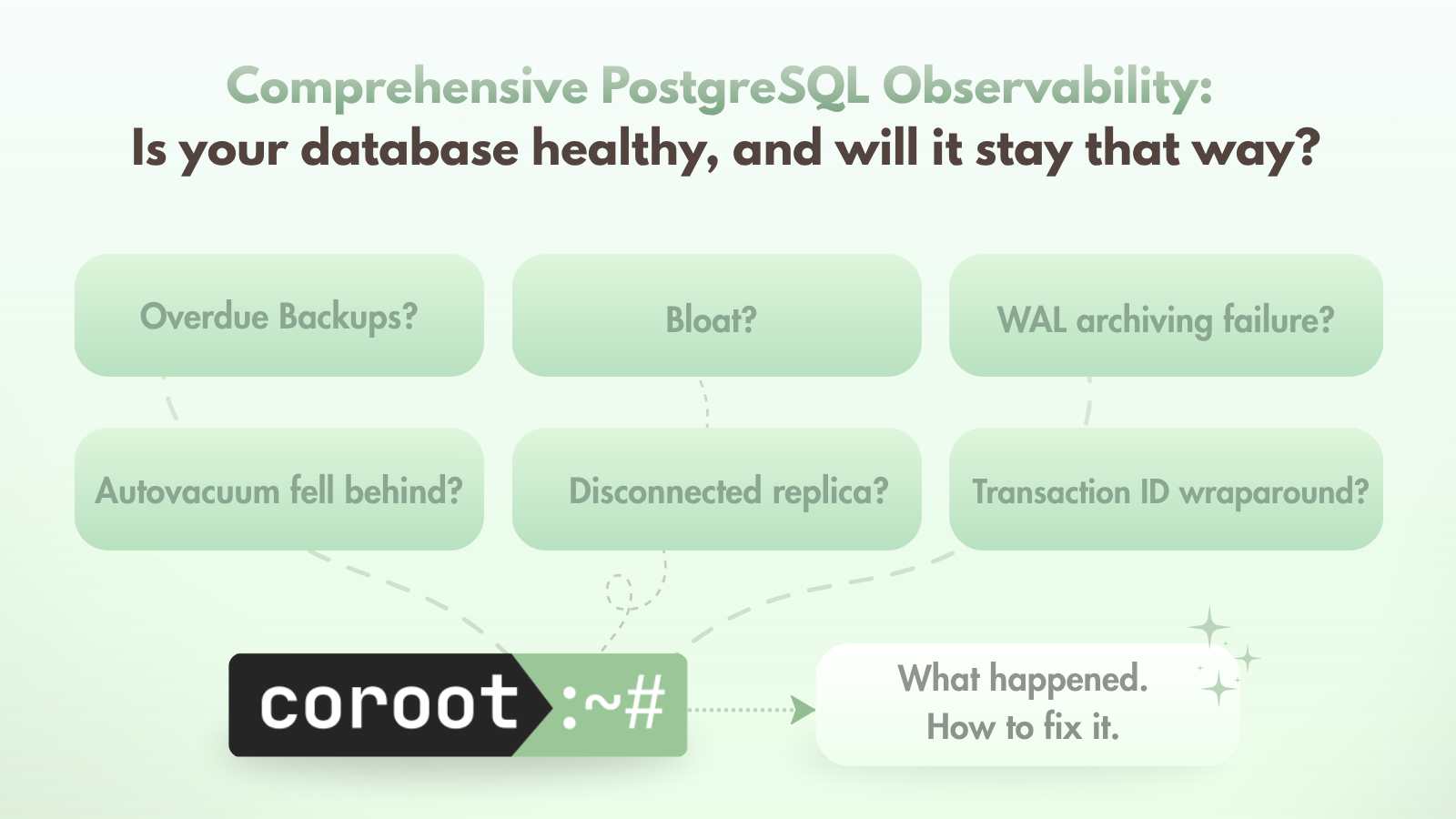
Comprehensive Postgres observability: is your database healthy, and will it stay that way?
A database has to stay durable, available, and fast, and the failures that break those promises rarely page you until it's too late. Here's how comprehensive Postgres observability tells you your database is healthy now and will keep performing.
Nikolay Sivko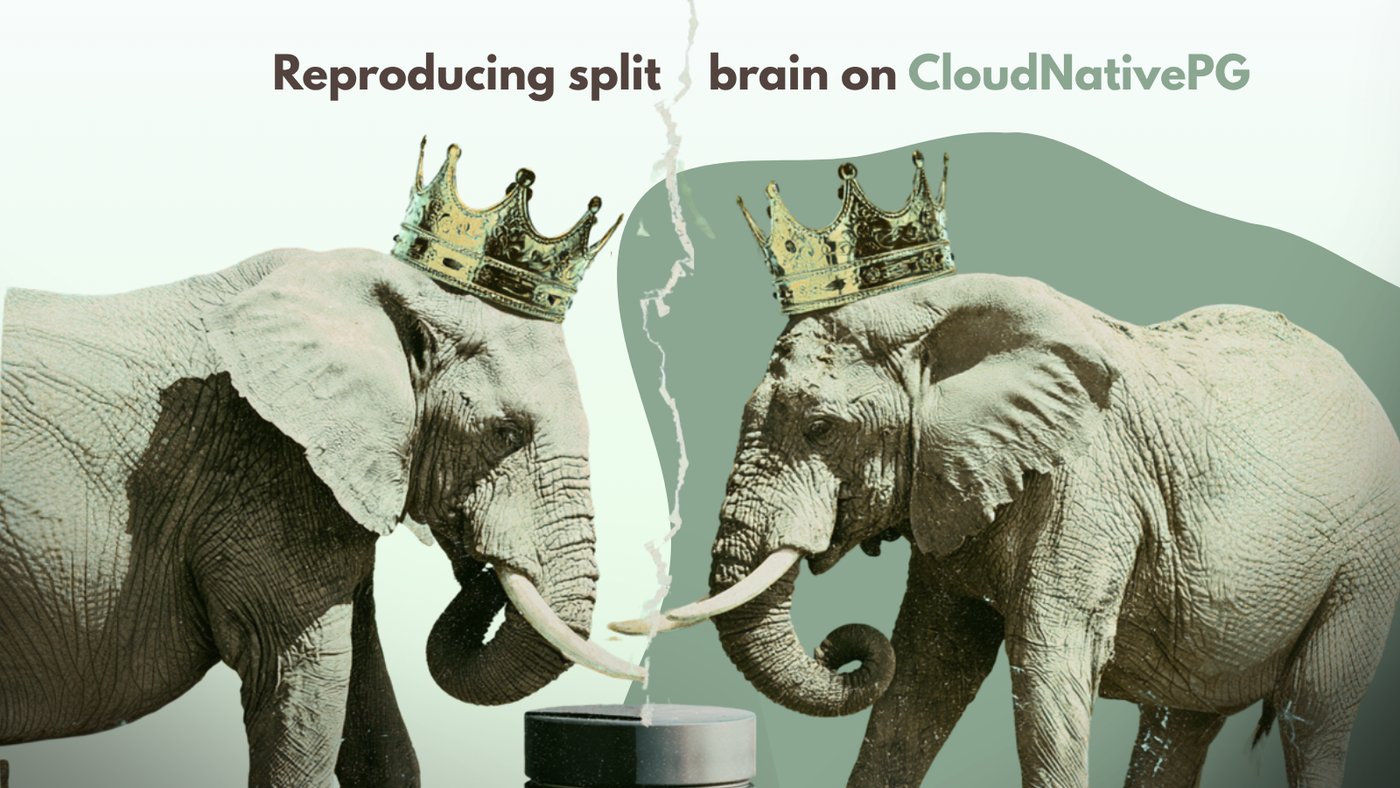
Reproducing split brain on CloudNativePG
We partitioned the primary of a default CloudNativePG cluster and measured how long it kept accepting writes after a replacement was promoted, what that did to the data, and which settings shrink the window.
Nikolay Sivko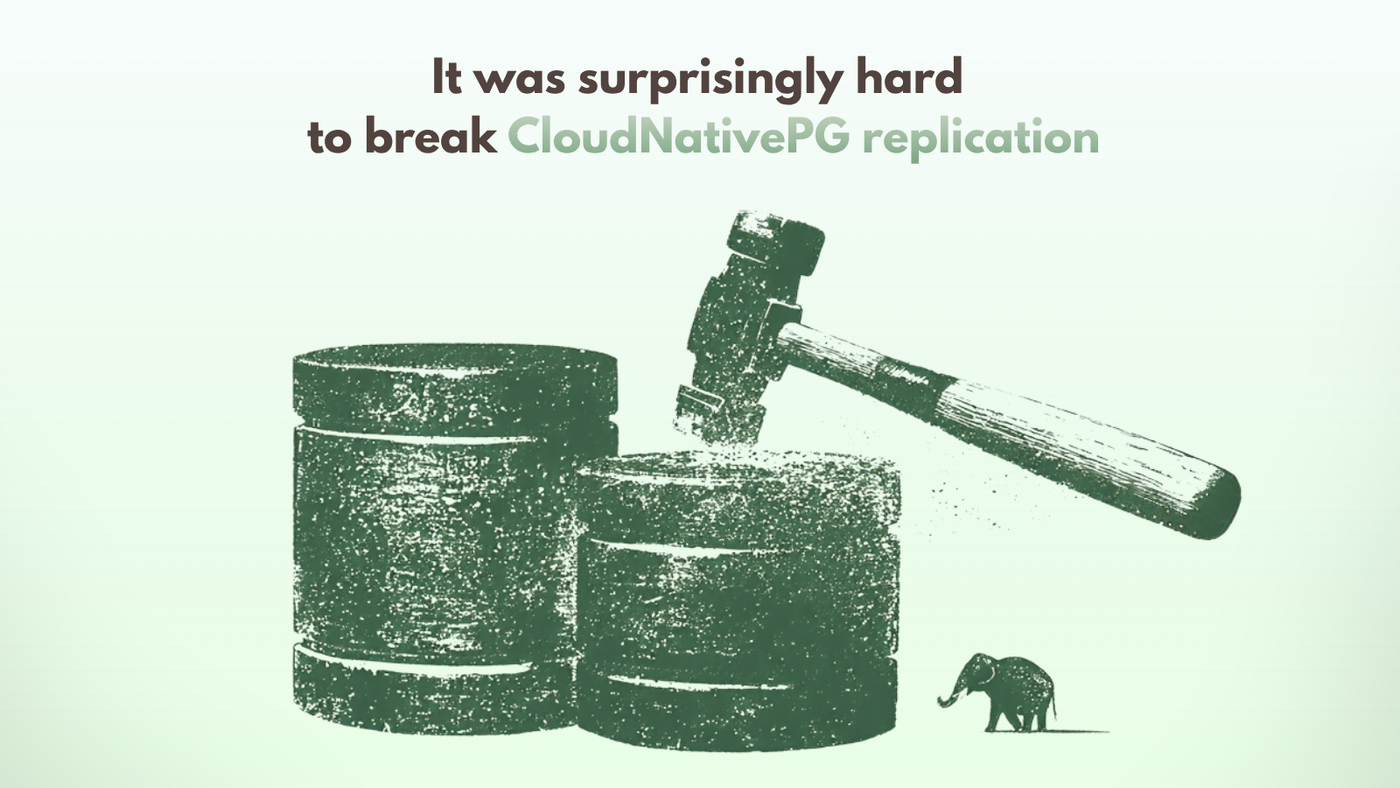
It was surprisingly hard to break CloudNativePG replication
I tried to make a Postgres replica fall behind by cutting it off from its primary with Chaos Mesh. It stubbornly refused to lag. Here's the investigation, the logs, and the proof from CloudNativePG's source that a replica has a second, hidden WAL source.
Nikolay Sivko
Let's break autovacuum in Postgres: reproducing failures to make it observable
Every Postgres runs autovacuum and almost nobody monitors it properly. Let's reproduce the common ways it fails and see how Coroot turns each one into a clear, actionable finding.
Nikolay Sivko
The hard part of AI root cause analysis is no longer the model
We ran one real incident through eleven LLMs. The reasoning turned out to be the easy part; the real challenge is the harness that feeds the model the right context.
Nikolay Sivko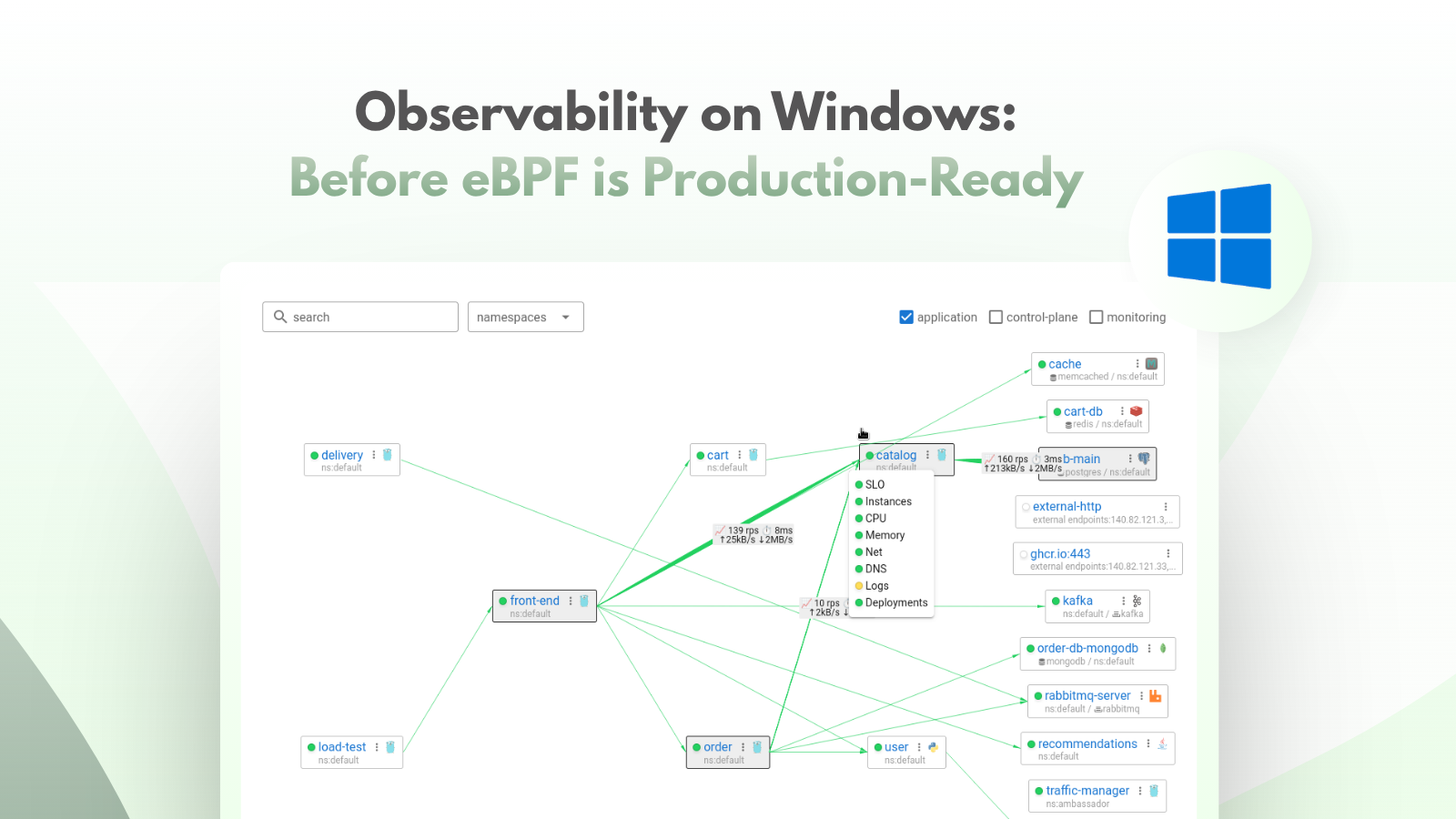
Observability on Windows, before eBPF is production-ready
Coroot's agent now runs on Windows. The story of building it on ETW instead of eBPF: what came easy, what was hard, and what we left for later.
Nikolay Sivko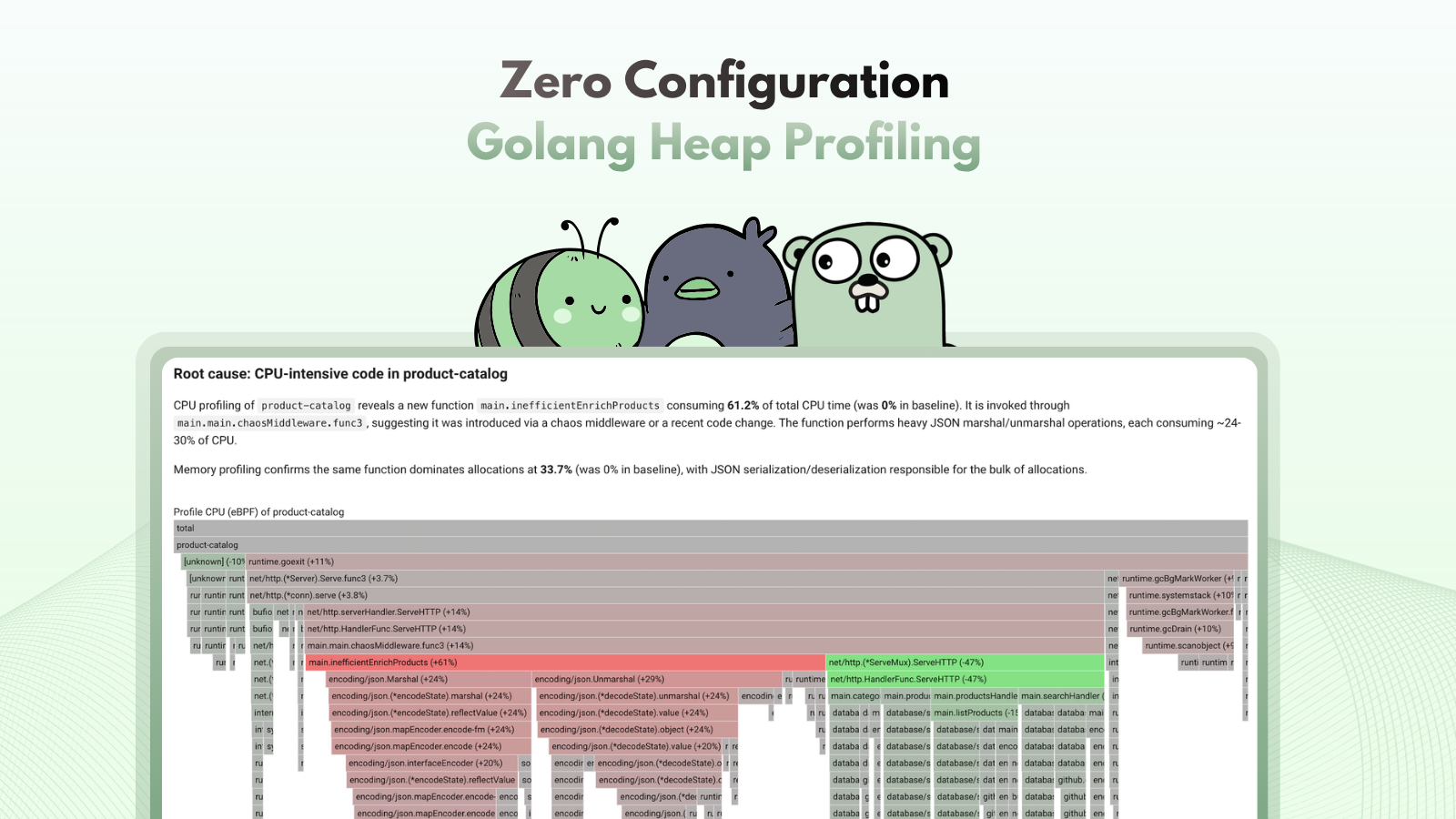
Zero-config Go heap profiling
How we added continuous Go heap profiling to coroot-node-agent without requiring any code changes, pprof endpoints, or annotations, by reading runtime.mbuckets directly from process memory.
Nikolay Sivko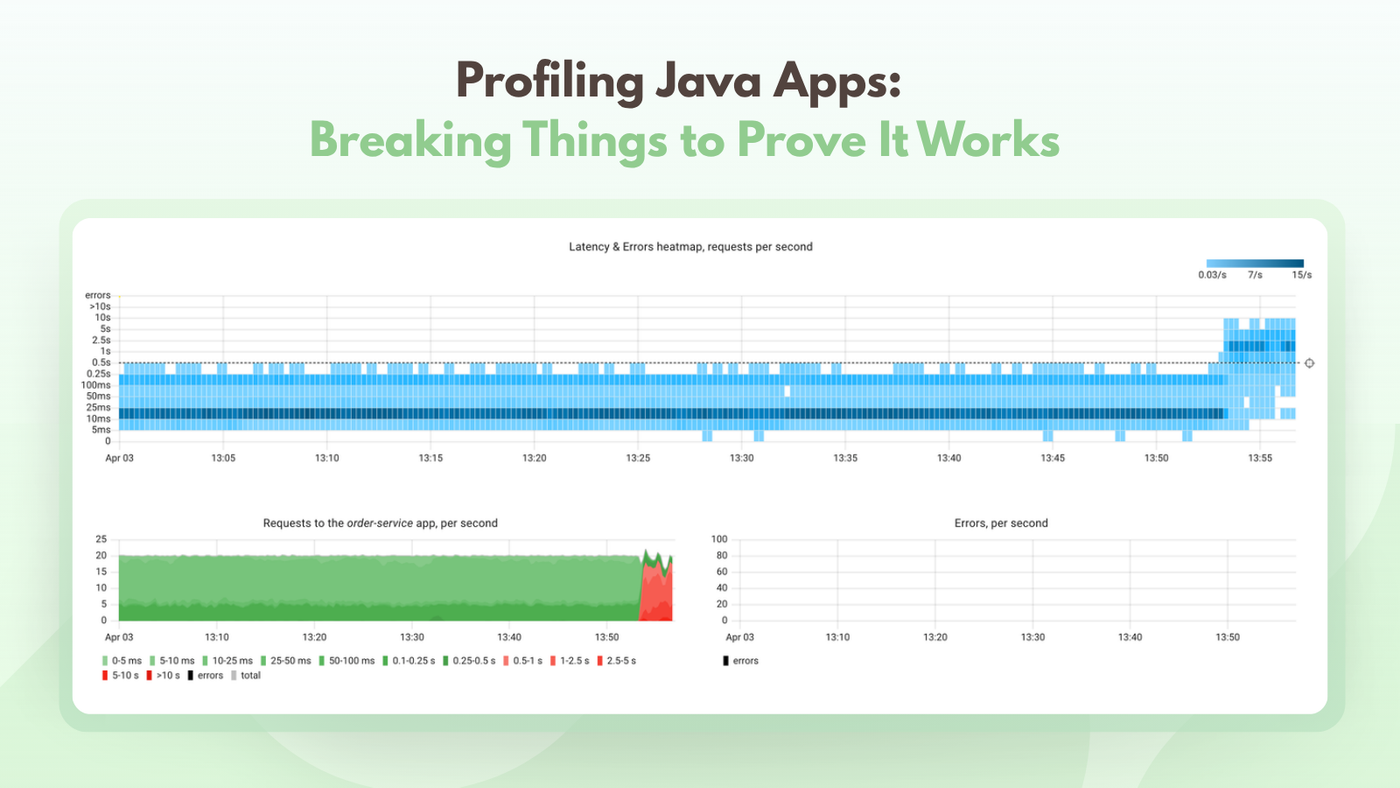
Profiling Java apps: breaking things to prove it works
We added async-profiler support to Coroot for Java CPU, memory, and lock contention profiling with no code changes—then broke things to prove it works.
Nikolay SivkoTry Coroot Free
Get full-stack observability in minutes with zero code changes. eBPF-powered monitoring with AI-guided root cause analysis.