
Blog
Insights on observability, monitoring, and engineering best practices from the Coroot team.
App-centric inspections: turning the conventional metric analysis inside out
Coroot CE v0.5 introduces application-centric inspections that let you troubleshoot distributed systems faster by viewing health and root causes per application.
 Nikolay Sivko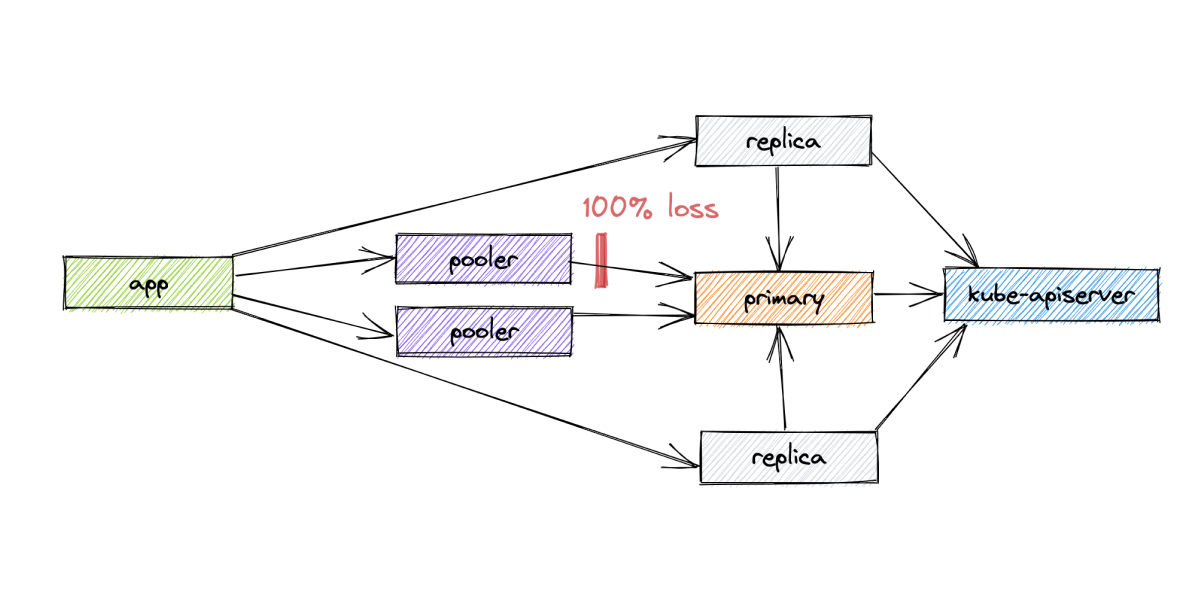
Chaos testing of a Postgres cluster managed by the Zalando Postgres Operator
Test how well a Postgres cluster managed by the Zalando Operator tolerates failures on Kubernetes, with Coroot observing and diagnosing each scenario.
Nikolay Sivko
Pg-agent – a Postgres exporter for Prometheus focusing on query performance statistics
Pg-agent is a Postgres exporter for Prometheus focused on query performance statistics, built to fill gaps left by existing exporters.
Nikolay Sivko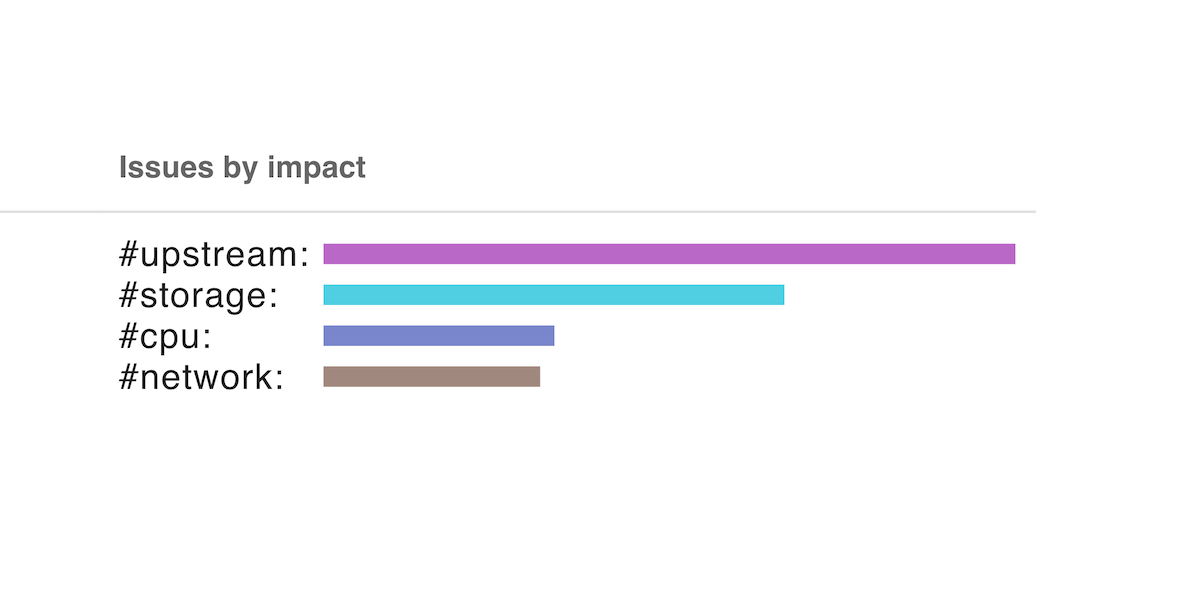
Just define your SLOs: no other configuration is needed to automate incident investigation
Define your SLOs and Coroot handles the rest—automating incident investigation with no additional configuration required.
Nikolay Sivko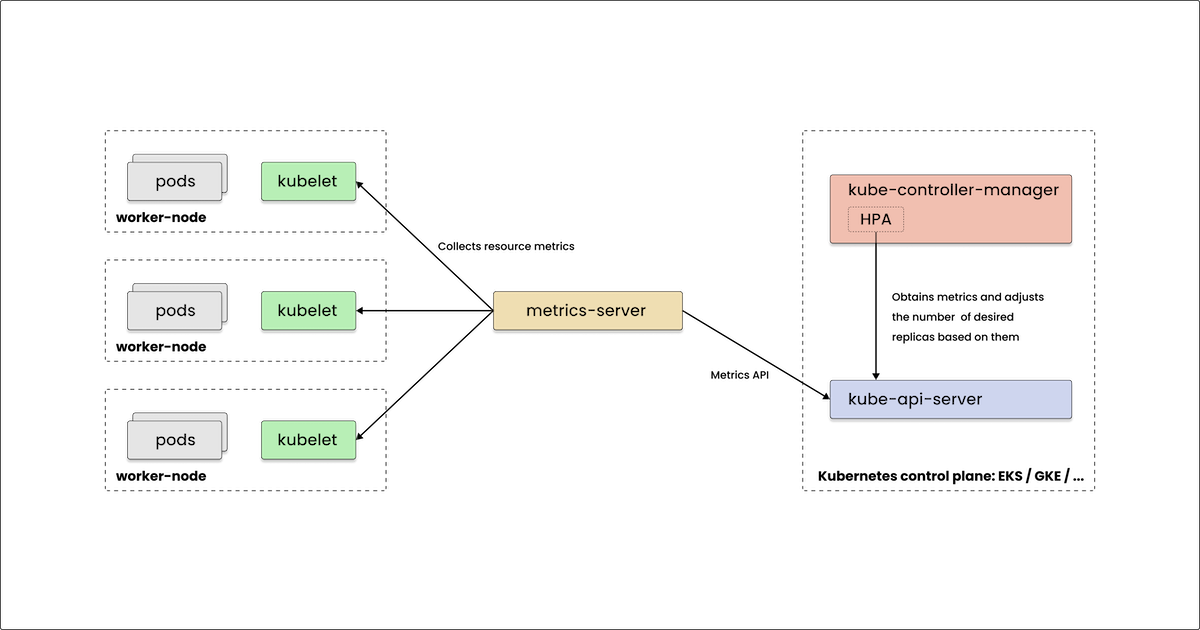
How quickly can the Kubernetes HPA scale your app?
Real-world measurements of Kubernetes HPA scaling delays and how tuning metrics-server parameters can dramatically improve response times.
Nikolay Sivko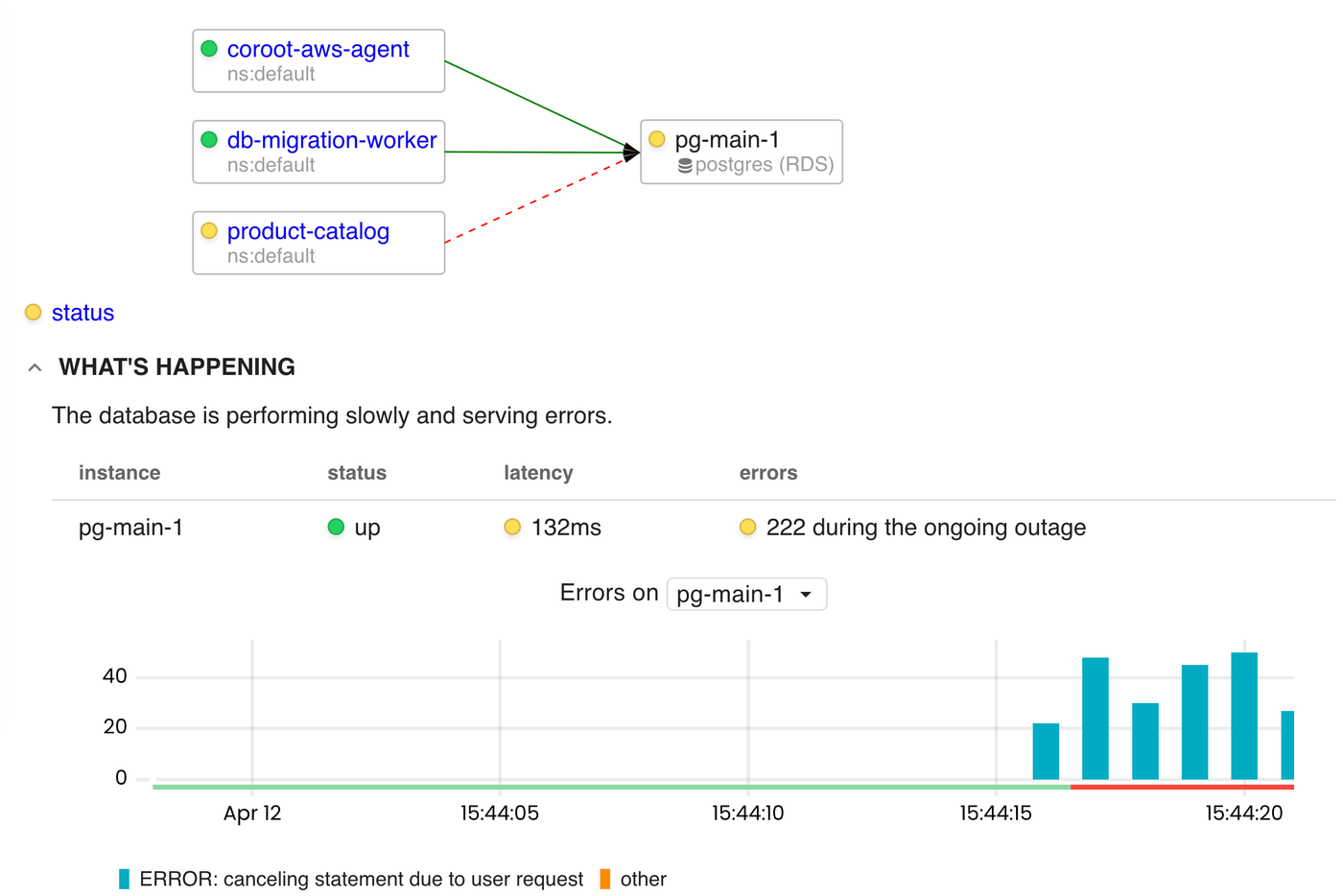
Missing metrics required to gain visibility into Postgres performance
Standard Postgres monitoring often misses the metrics that matter most—like query success rates and latency—and this post explains how to capture them.
Nikolay Sivko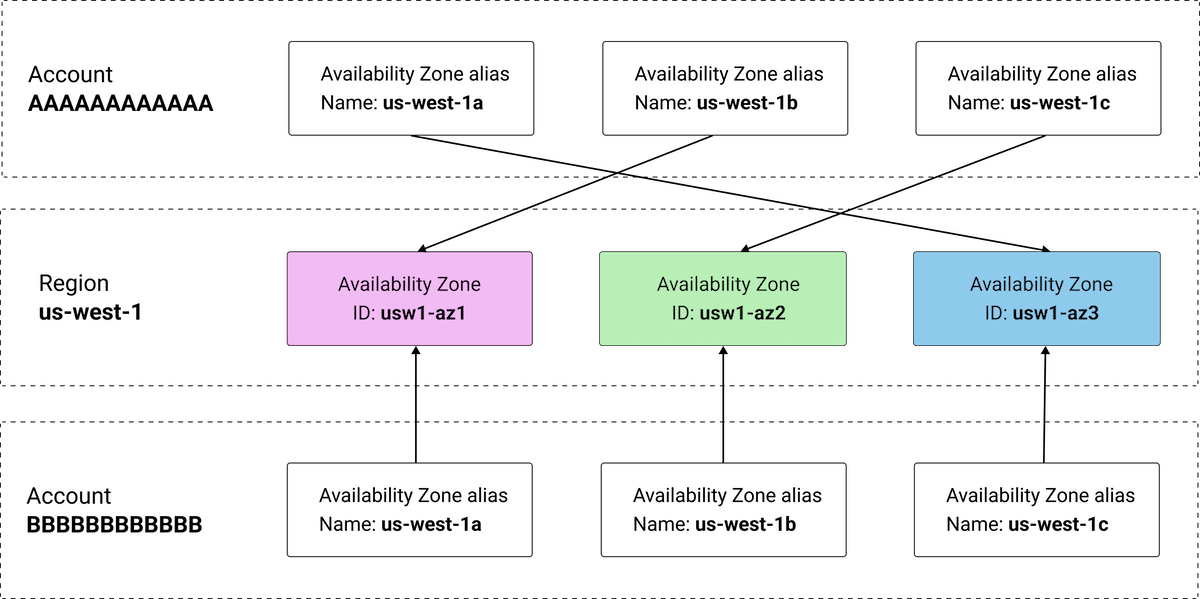
Gathering cloud instance metadata in AWS, GCP and Azure
Learn how Coroot automatically collects cloud instance metadata from AWS, GCP, and Azure to enrich your monitoring data with provider, region, and cost context.
Nikolay Sivko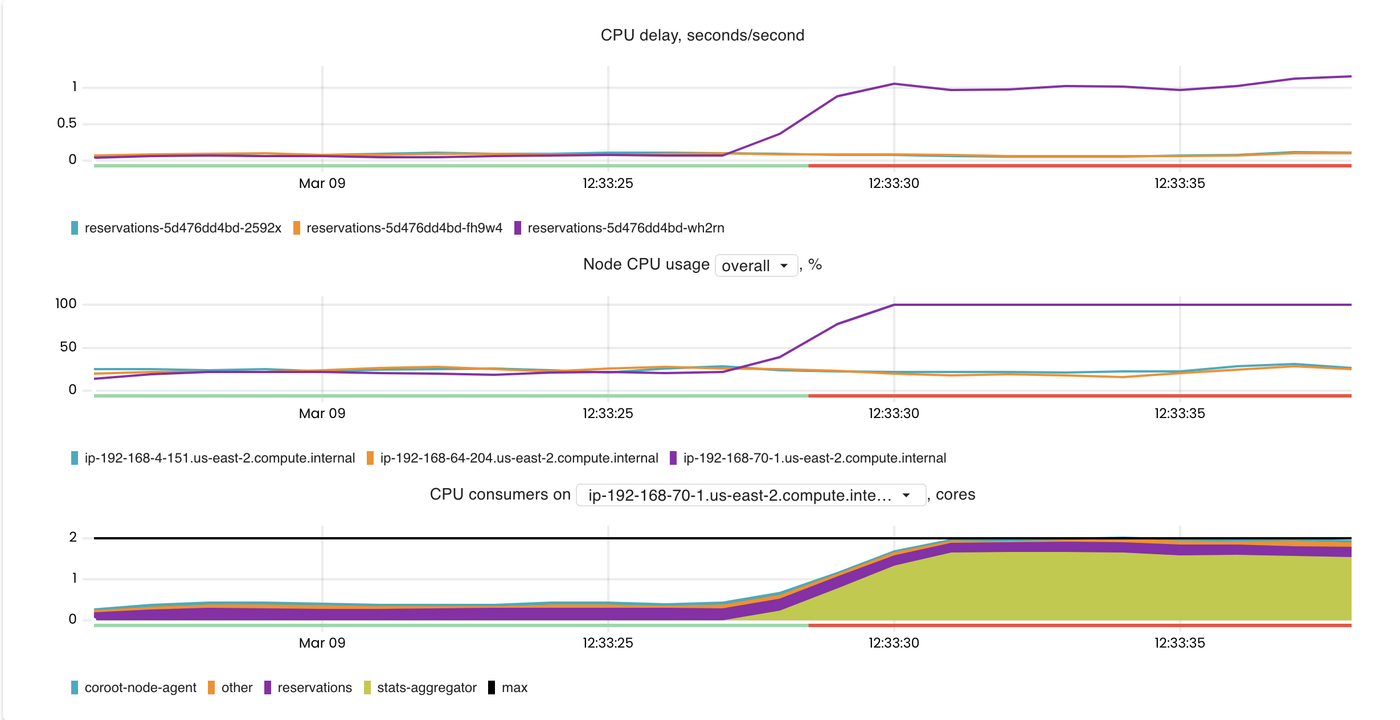
Delay accounting: an underrated feature of the Linux kernel
Learn how Coroot uses Linux delay accounting—an underused kernel feature—to detect CPU scheduling delays and latency issues automatically.
Nikolay Sivko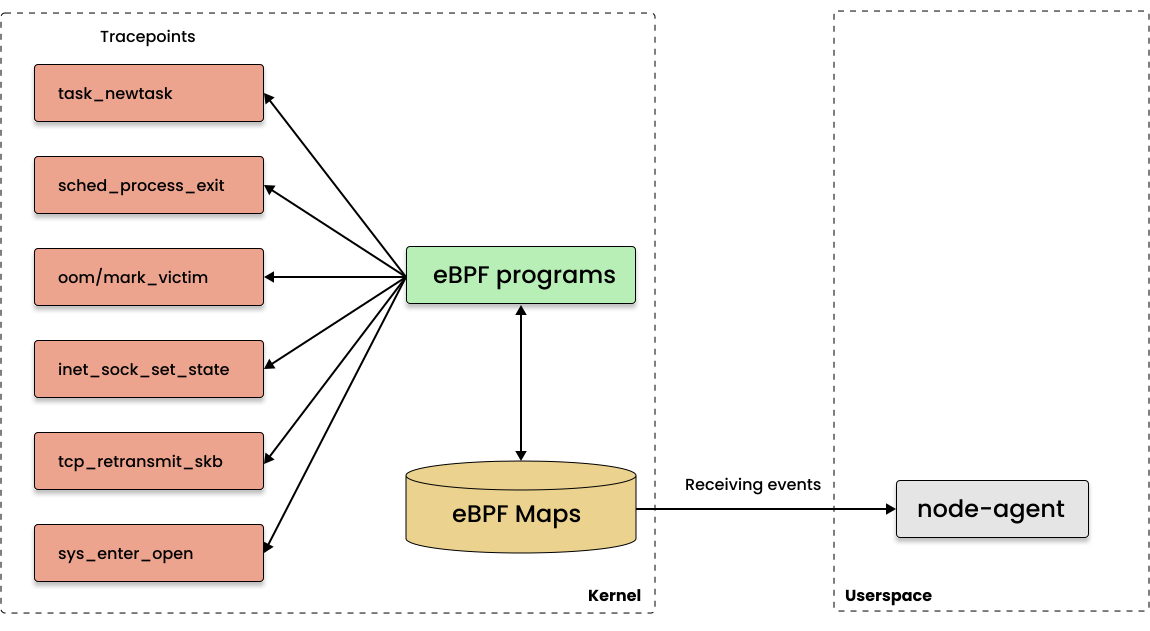
The current state of eBPF portability
A practical overview of the current state of eBPF portability across kernel versions and what it means for real-world deployments.
 Anton Petruhin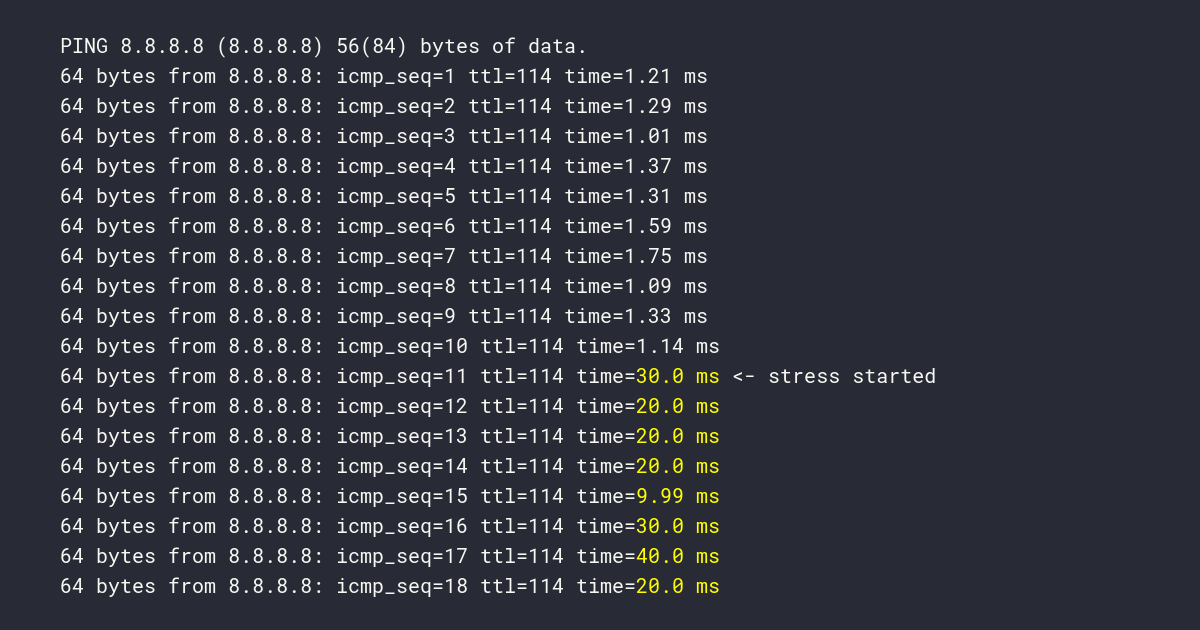
How ping measures network round-trip time accurately using SO_TIMESTAMPING
Learn how ping measures network round-trip time accurately using SO_TIMESTAMPING and kernel-level timestamps to eliminate measurement noise.
Nikolay Sivko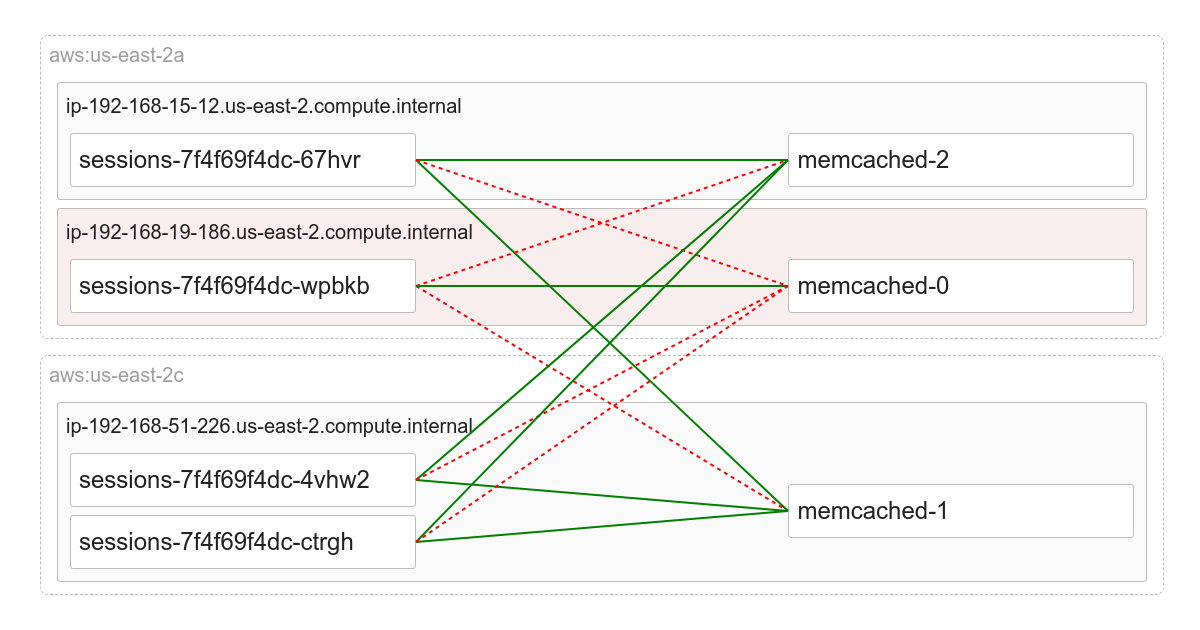
Building a service map using eBPF
Learn how Coroot uses eBPF to collect inter-container communication metrics and build a live service map with no code changes or sidecars.
Nikolay Sivko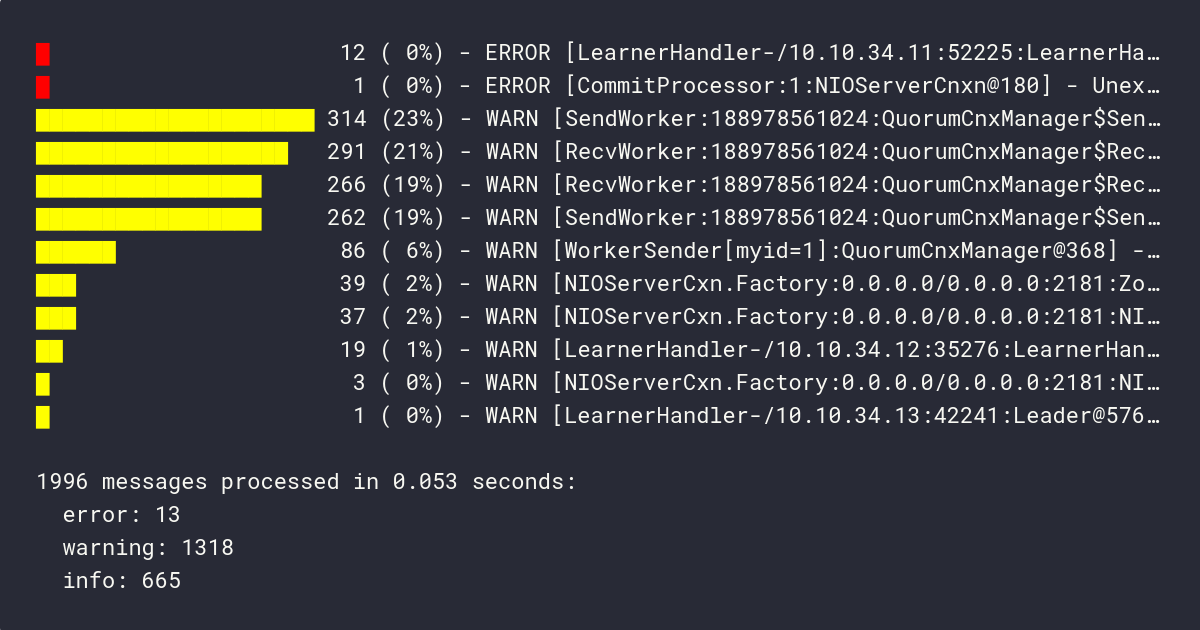
Mining metrics from unstructured logs
Learn how Coroot's open source log exporter automatically extracts repeated patterns from unstructured logs and converts them into actionable metrics.
Nikolay SivkoTry Coroot Free
Get full-stack observability in minutes with zero code changes. eBPF-powered monitoring with AI-guided root cause analysis.